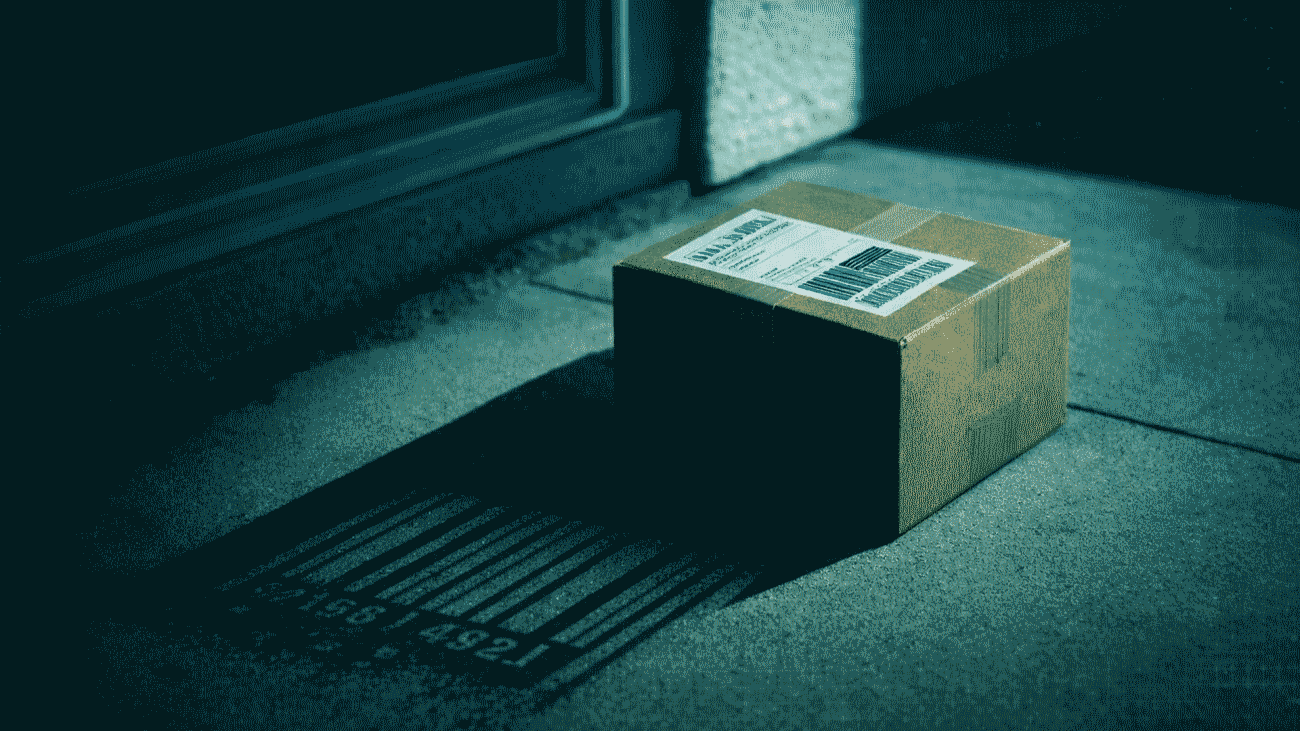
Hey there, have you ever unexpectedly received a package in the mail? It might be a red flag that your personal data has been compromised, and more fraudulent activity could be on the way.

23 Dec 2025
•
,
5 min. read

With global e-commerce sales projected to surpass $6.4 trillion in 2025, the rise of marketplace transactions brings both convenience and risks. In 2024, Amazon took action against millions of suspected fake reviews, shedding light on the darker side of the industry.
One concerning trend is the emergence of brushing scams, where sellers send unsolicited packages to random addresses to boost product ratings fraudulently. If you find yourself in possession of an unexplained item, it could be a sign of a larger data breach.
Understanding Brushing Scams
Brushing scams involve sending low-value items to individuals to create fake positive reviews. Scammers obtain personal information from data breaches or public sources to execute this scheme.
- Scammer acquires personal details.
- Scammer creates fake buyer account.
- Scammer “buys” own product and ships it to victim.
- Scammer posts a fake 5-star review.
Victims often realize they are part of a scam upon receiving the unsolicited package.

Potential Implications
Receiving unsolicited packages could indicate data exposure and potential identity theft. Scammers might be testing your details for further malicious activities, including phishing attempts.
Protecting against such scams requires vigilance and prompt action.
Identifying if You’re a Victim
Receiving unexpected, low-value items in the mail, along with vague return addresses or QR codes, are signs of a brushing scam. Reviewing recent purchases and monitoring financial accounts is crucial to detecting fraud.
Responding to a Suspected Scam
- Check with friends/family for any ordered items.
- Avoid scanning QR codes from unknown sources.
- Monitor bank accounts for unauthorized transactions.
- Report fraud to relevant marketplaces.
Preventing Brushing Scams
Protecting personal data and staying informed about potential breaches are key steps in safeguarding against brushing scams. Utilize identity protection services and privacy settings on online platforms to minimize exposure.
Staying vigilant in the digital realm is essential to combatting fraud and maintaining trust in online transactions.