Your inbox is more than just a place for emails: it’s a gateway to your digital identity
29 Jun 2026 • , 5 min. read
Your email account holds more than just messages – it can be a goldmine for cybercriminals seeking to exploit your personal and professional information. From password resets to identity verification, your inbox is a treasure trove of sensitive data.
With years’ worth of information stored in your inbox, cybercriminals can gain insight into your life, activities, and connections. This makes your email account a prime target for malicious actors looking to steal your data.
It’s crucial to prioritize the security of your inbox to safeguard your personal and business accounts. Your email account is not just a communication tool; it’s a key to your digital life.
Understanding the Risks
Attackers target your inbox because it provides them with a gateway to your online accounts. By gaining access to your email, they can manipulate password resets, intercept important messages, and impersonate trusted entities to deceive you.
From accessing sensitive photos to eavesdropping on your conversations, hackers can leverage your email account for various malicious activities, including phishing attacks and identity theft.
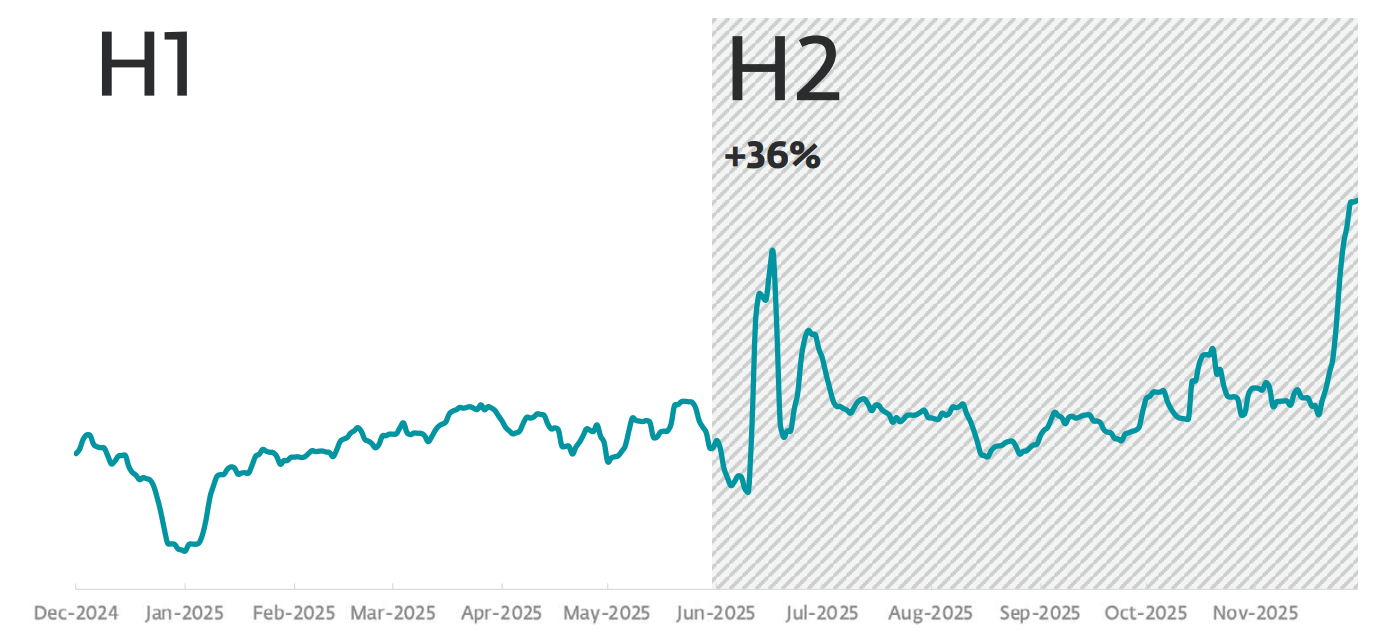
According to ESET’s Threat Report, malicious email activity increased by 36% in the second half of 2025, highlighting the growing threat posed by phishing attacks.
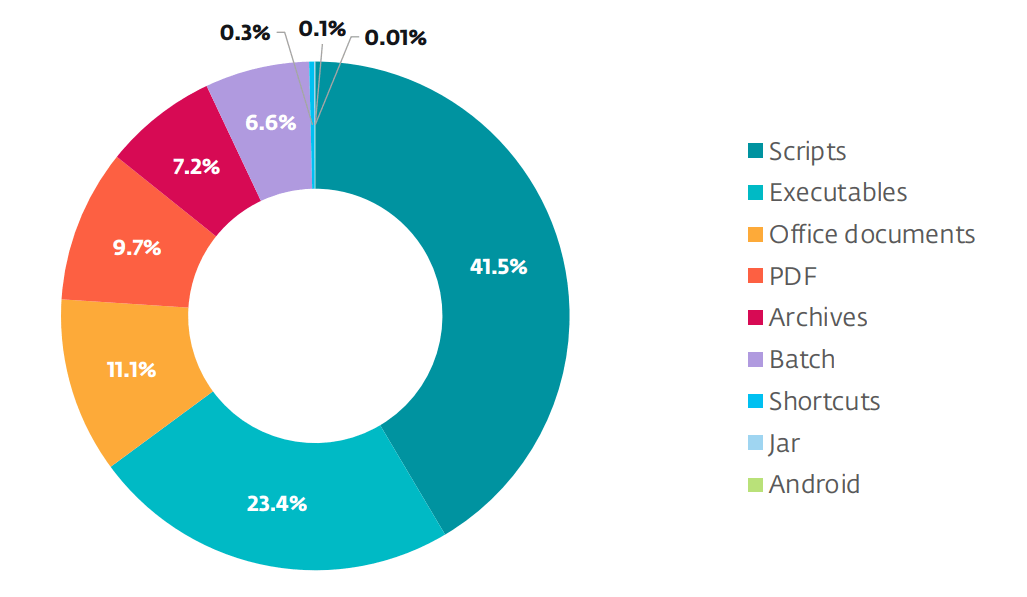
Figure 1. Malicious email detection trend in 2025 Figure 2. Top malicious email attachment types
Furthermore, a compromised corporate email account can lead to severe consequences, including data breaches, financial losses, and reputational damage for organizations.
Phishing attacks remain a prevalent threat, with cybercriminals constantly evolving their tactics to deceive unsuspecting individuals.
Protecting Your Inbox
To safeguard your email account, it’s essential to implement strong security measures. Using unique passwords, enabling multi-factor authentication, and regularly monitoring your inbox for suspicious activity are key steps in enhancing your email security.
Additionally, staying vigilant against phishing attempts, verifying unusual requests, and educating yourself on the latest cyber threats can help mitigate the risk of falling victim to email scams.
By taking proactive steps to secure your inbox and being aware of potential threats, you can minimize the likelihood of falling prey to cyber attacks.