

“Fix the roof while the sun is shining.”
– proverb
Hey there, cybersecurity enthusiasts! You know that old saying, “a breach is a matter of when, not if”? Well, it’s more relevant now than ever. But let’s dive deeper into what it really means for organizations like yours.
Cyber-incidents are like storms on the horizon, looming closer each day. The question is, are you truly prepared for when the skies darken? Are your systems, people, and customers ready to weather the storm? It’s not just about nodding along to the warning; it’s about taking proactive steps to fortify your defenses and minimize the impact when the inevitable strike occurs.
Let’s talk about the gaps and vulnerabilities that could leave your organization exposed. According to the ESET SMB Cyber Readiness Index 2026, almost half of small and medium-sized businesses experienced a cyber-incident in the past year. This raises important questions about resilience and readiness in the face of evolving threats.
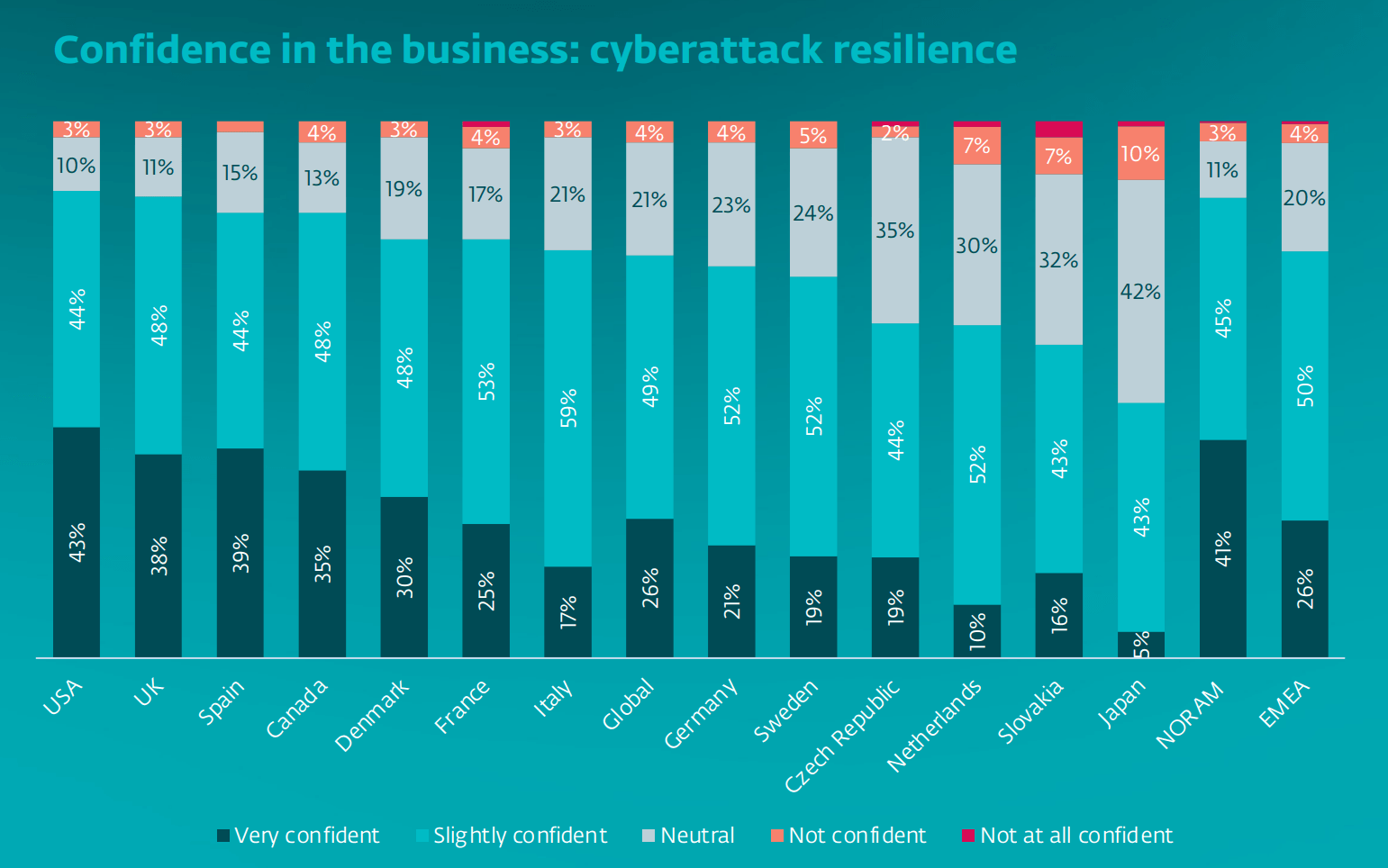
Confidence in resilience seems to grow with each incident, but is that enough? Are organizations truly learning from their experiences and bolstering their defenses, or are they simply getting lucky each time? The data suggests a mix of preparedness and complacency, highlighting the need for a proactive approach to cybersecurity.
Let’s talk about how cyber-incidents actually start.
Phishing, unpatched vulnerabilities, monitoring gaps, weak passwords – these are the common entry points for cyber-attacks, despite the hype around advanced threats. It’s essential to focus on these fundamental vulnerabilities and not get distracted by the latest headlines.
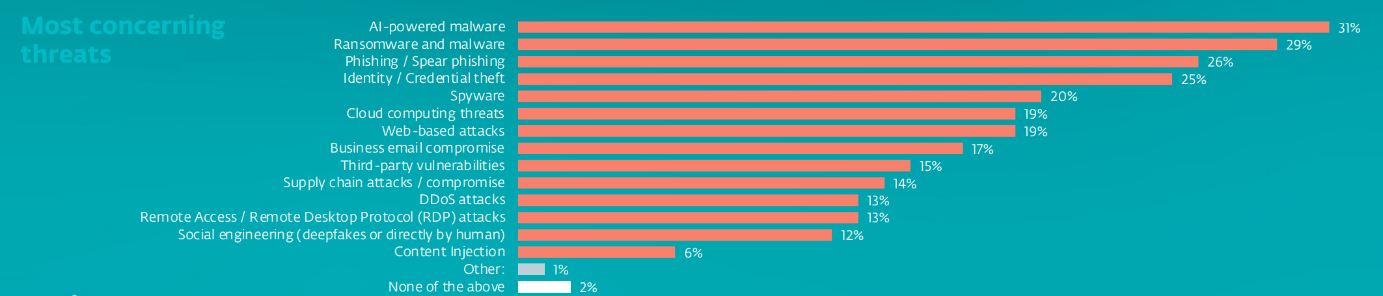
While AI-powered malware may top the list of feared threats, the reality is often more mundane. Attackers still rely on traditional tactics like phishing and exploiting vulnerabilities to breach organizations. It’s crucial to address these foundational risks before worrying about the latest buzzworthy threats.
Preparation is key in the face of cyber threats.
Being ready for a cyber-incident requires more than just expecting it to happen. It’s about proactive preparation, clear decision-making protocols, and a thorough understanding of your organization’s risk landscape. Whether you’re a manufacturing plant or a hospital, the approach may vary, but the goal remains the same: resilience in the face of adversity.
Remember, it’s easier to fix the roof before the rain starts. Don’t wait for a breach to occur; take the necessary steps now to fortify your defenses and protect your organization from cyber threats.