

Have you ever noticed how phishing attacks are becoming harder to detect? It’s no longer just about poor grammar or suspicious URLs. These days, attackers are getting smarter, making it crucial for companies to be quick in detecting and containing these attacks to minimize the damage.

28 Sep 2026
•
,
6 min. read

Forget about looking for red flags like bad grammar or suspicious URLs. Phishing attempts are now so sophisticated that they can easily trick even the most vigilant employees. These attacks are designed to blend in seamlessly with everyday work tasks, making them hard to spot.
With the rise of cybercrime services, anyone can buy a phishing kit that includes tools to capture logins. And thanks to AI, attackers can personalize their messages to each target, making them even more convincing.
What the training taught
Traditional red flags like bad grammar and suspicious URLs are no longer reliable indicators of phishing attempts. Attackers are using AI to make their messages more convincing and personalized. Even well-written messages can be deceptive.
URL links hidden in QR codes make it impossible to hover over them for verification. This technique has been on the rise, with QR code phishing accounting for a significant portion of detected phishing emails.
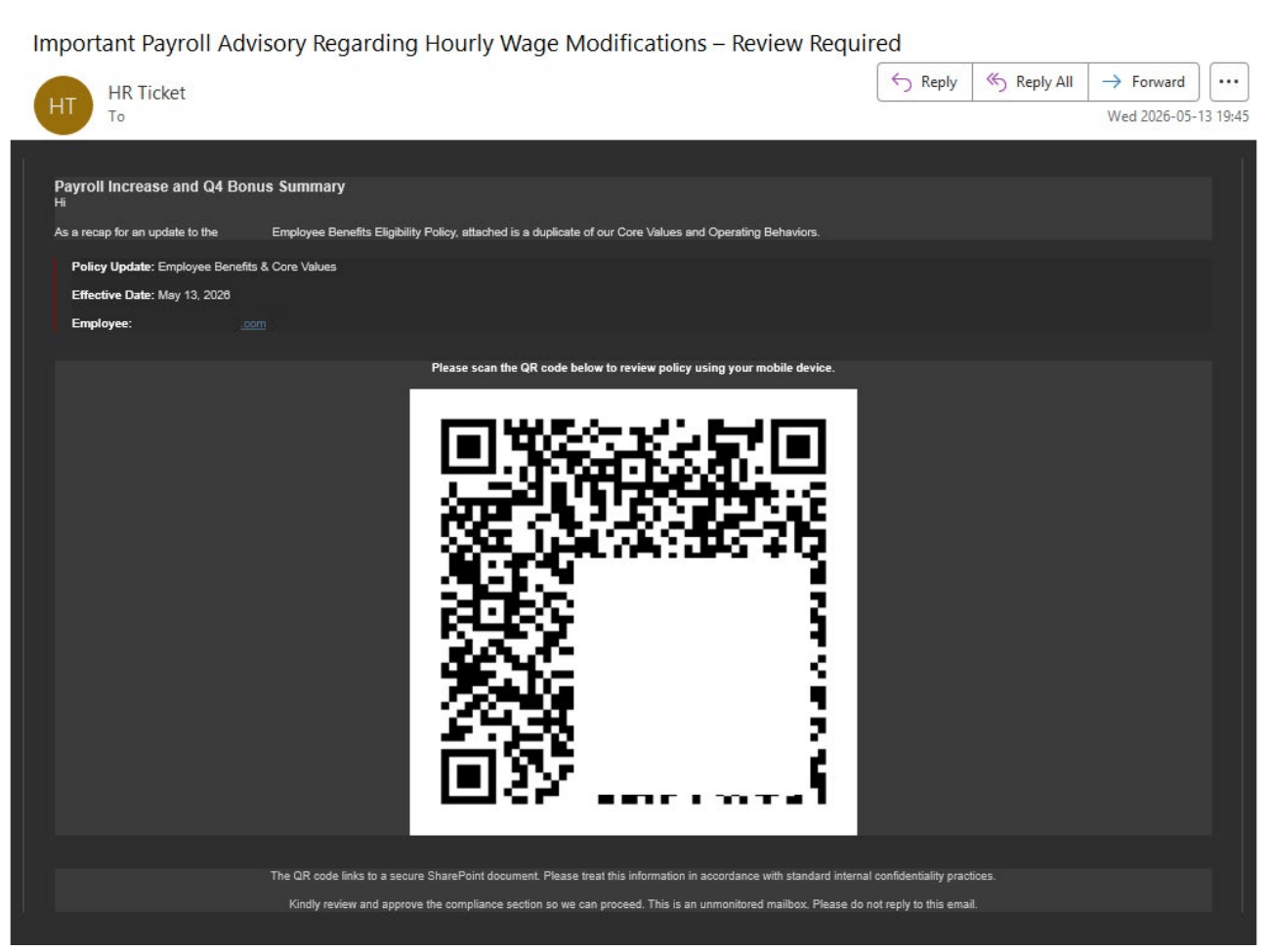
Phishing attacks are evolving, with new techniques like ConsentFix bypassing traditional warning signs like fake login pages. It’s essential for companies to stay vigilant and adapt to these changing tactics.
Don’t stop at human error
Blaming incidents on human error is not enough. Companies need to have strong preventive controls in place and be quick to detect and contain attacks. Security awareness training is important, but it’s not a foolproof solution.
Verification and additional security checks are crucial in today’s phishing landscape. With attackers getting more sophisticated, companies need to have robust verification processes in place to prevent attacks.
AI and automated analysis can help companies detect and respond to attacks faster. It’s important to stay proactive and constantly adapt to the evolving threat landscape.