
Welcome, dear readers!
109
Rome, Italy, May 15th, 2026, CyberNewswire
Hey there, curious minds! Today, we dive into the intricate world of VPNs and legal subpoenas. Ever wondered how your privacy stacks up against government orders? Let’s find out together.
Picture this: VPN providers receiving subpoenas for user connection logs. Some comply, revealing the limits of their no-log policies. But what if there’s a different approach to safeguarding privacy?
Unveiling the VPN Subpoena Mystery
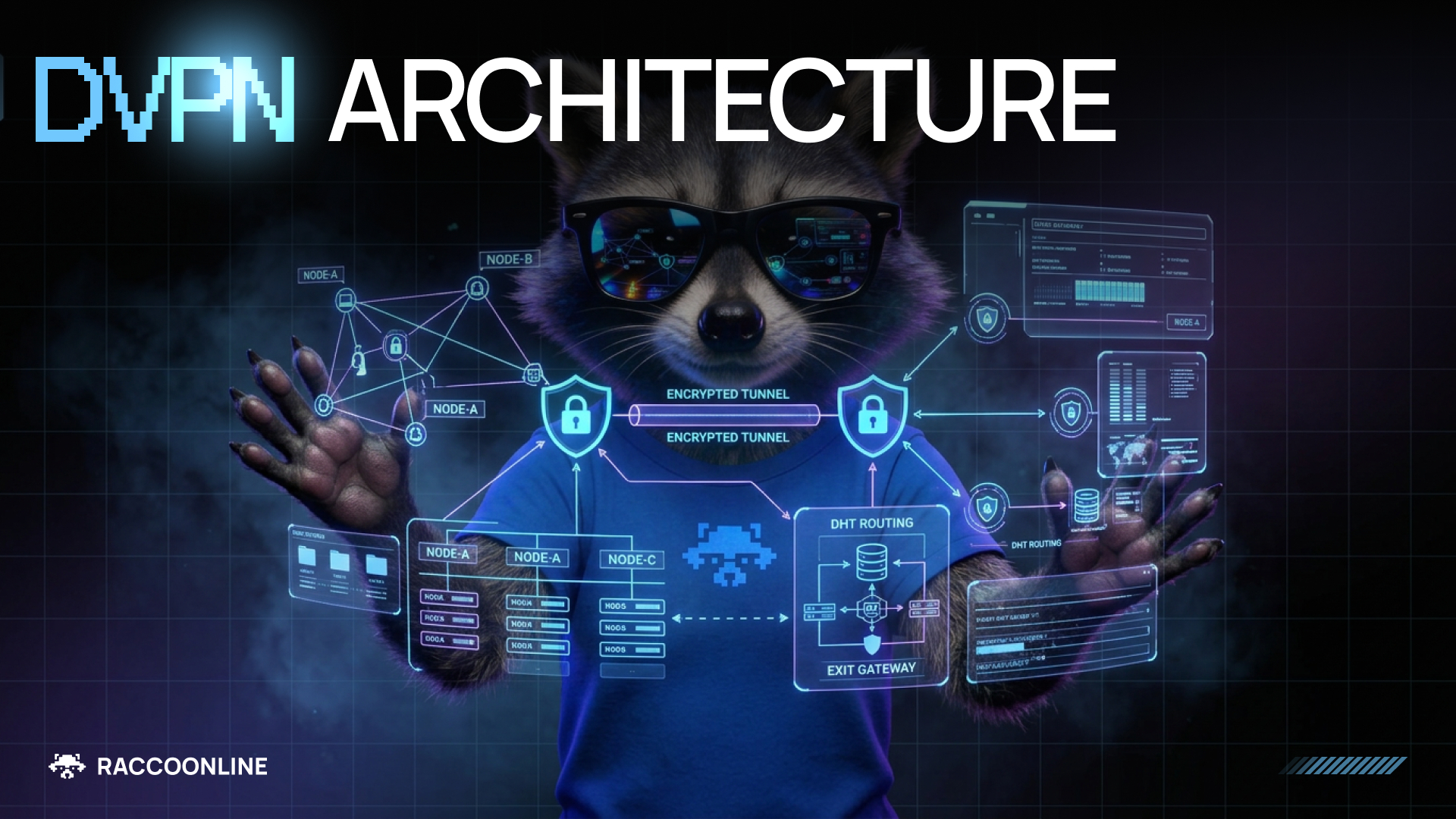
When a subpoena knocks, VPN providers with centralized servers hold crucial connection metadata. But what if there are no central servers to target? Enter decentralized P2P architecture, where user data is fragmented across independent nodes.
Decentralization: The Game Changer
Imagine a subpoena hitting a decentralized VPN like a wave against a rock. No useful records to hand over, no centralized data to exploit. Each node operator holds a piece of the puzzle, making it near impossible to unravel the full picture.
Stay Ahead with Jurisdiction Stacking
Centralized VPNs play the jurisdiction game, seeking refuge in privacy-friendly locations. But what if there’s a network spread across multiple countries simultaneously? Legal hurdles multiply, making coordinated action a herculean task.
Why You Should Care
For the average VPN user, government subpoenas may seem distant. But for journalists, activists, and those under government scrutiny, the structural difference in VPN architecture is a lifeline.
Meet RaccoonLine
RaccoonLine dances to a different tune. No connection records, no user activity links. Just decentralized security at its finest. Want to know more? Visit raccoonline.com.
Contact
CMO
German Melnik
[email protected]