
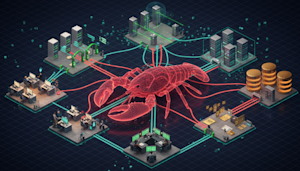
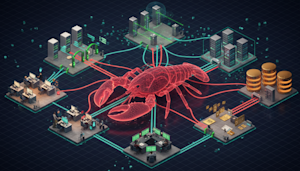
A new cutting-edge tool called CLI-Anything was recently introduced by researchers at the Data Intelligence Lab at the University of Hong Kong. This tool can analyze the source code of any repository and generate a structured command line interface (CLI) that AI coding agents can operate with a single command. Since its launch in March, CLI-Anything has gained over 30,000 GitHub stars and supports popular tools like Claude Code, Codex, OpenClaw, Cursor, and GitHub Copilot CLI.
However, the same feature that makes CLI-Anything user-friendly also opens up the possibility of agent-level poisoning. The cybersecurity community is already discussing potential security implications and translating CLI-Anything’s architecture into offensive strategies.
One of the main concerns with CLI-Anything is the generation of SKILL.md files, similar to the artifacts identified in Snyk’s ToxicSkills research. These files were found to contain 76 confirmed malicious payloads across various platforms in February 2026. The issue lies in the fact that a poisoned skill definition does not trigger a CVE and remains undetected by traditional security scanners.
This structural gap in security monitoring extends beyond CLI-Anything and highlights a broader issue in how the industry manages software supply chains. The lack of visibility into the agent integration layer poses a significant challenge for security professionals. Modern LLMs and third-party plugins introduce vulnerabilities that can be exploited to inject malicious data into workflows, bypassing internal safety measures.
The documented attack chain involving CLI-Anything showcases the potential risks associated with compromised agent skills and underscores the need for improved security measures. Security leaders must proactively address these vulnerabilities to prevent potential incidents in the future.
Are you looking to add new skills to your repertoire? It can be as easy as uploading a Word doc or a lightweight config file. This is a far cry from dealing with compiled code, as the risk profile is significantly different.
Take, for example, projects like ClawPatrol, which are now cataloging and scanning for malicious skills. This shows that the ecosystem is evolving rapidly, possibly faster than the defenses put in place by enterprises.
The ClawHavoc campaign, which was first reported in January 2026, uncovered 341 malicious skills on ClawHub. Subsequent analysis by Antiy CERT revealed a total of 1,184 compromised packages on the platform. The campaign introduced Atomic Stealer through skill definitions that came with professional documentation. The names of the skills, such as solana-wallet-tracker and polymarket-trader, were chosen to match what developers were actively seeking.
The MCP protocol layer is also at risk. OX Security reported in April that nine out of 11 MCP marketplaces were compromised using proof-of-concept servers. Trend Micro found that 492 MCP servers were exposed to the internet with zero authentication, a number that had risen to 1,467 by April. The issue stems from a design flaw in Anthropic’s MCP software development kit (SDK), which means any developer using the official SDK inherits the vulnerability.
To address these vulnerabilities, VentureBeat developed a Prescriptive Matrix that maps the three attack layers against the detection capabilities of current tools. The Matrix highlights areas where no scanner currently provides coverage, urging security teams to take action.
It’s crucial for security leaders to take inventory of all agent bridge tools in their environment, audit agent skill sources, deploy agent-layer scanning, restrict agent execution privileges, and assign ownership for the gap between layers. By following these steps, organizations can stay ahead of potential threats and protect their systems from malicious attacks.
The evolving landscape of agent integration poses new challenges, but with the right tools and strategies in place, organizations can mitigate risks and secure their systems effectively. Stay vigilant, stay informed, and take proactive steps to safeguard your digital assets. sentence in your own words.
She was so tired that she fell asleep as soon as her head hit the pillow.