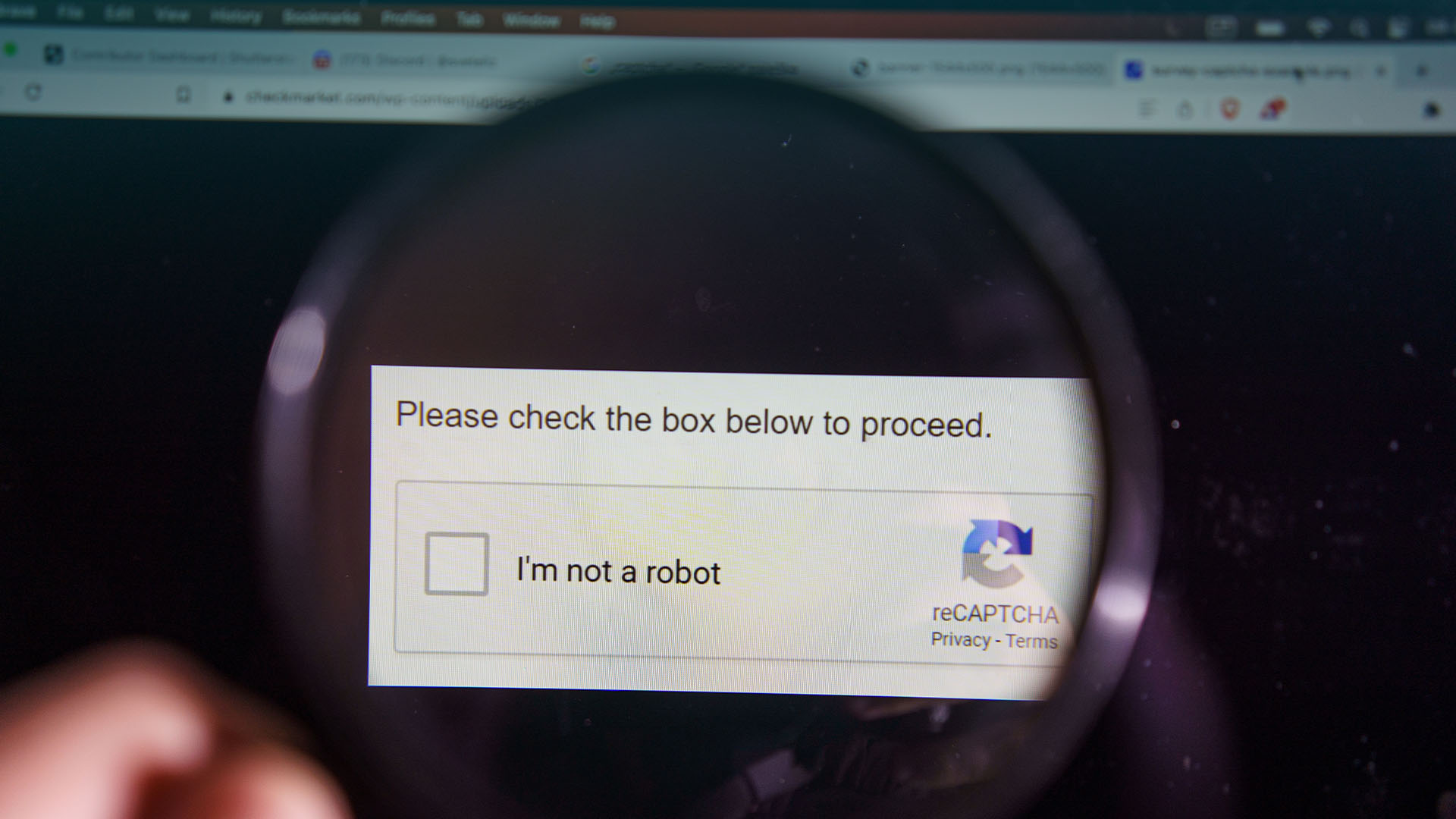
Hey there! Before you rush to prove you’re not a robot, let’s talk about something important. Deceptive human verification pages are becoming a popular way for malware to sneak into your device, so be cautious!

24 Jul 2025
•
,
4 min. read
Let’s talk about bots. Did you know that bots now make up over half of all internet traffic? And the scary part is, almost two-fifths of them are up to no good. From spreading fake news to launching cyber attacks, bots can cause a lot of trouble. So, when you encounter a CAPTCHA challenge to prove you’re human, you might think it’s all in the name of keeping the bots at bay. But beware, some of these pages could actually be fake and lead you down a dangerous path.
Take ClickFix, for example. This sneaky social engineering tactic has been causing chaos by using fake CAPTCHA images to spread malware like infostealers, ransomware, and even malware from nation-state-aligned threat actors. Scary stuff!
How do CAPTCHA threats work?
CAPTCHA threats are effective for a few reasons:
- They prey on our trust in CAPTCHA as a security measure.
- They take advantage of our impatience when browsing online.
- They use our familiarity with online verification processes to trick us.
- They hide their malicious activities and evade detection by security software.
Recognizing a CAPTCHA threat
There are various ways you might come across a malicious CAPTCHA. It could be through a phishing email, a malicious link on social media, or even on a legitimate website that has been compromised by hackers. These threats are evolving with the help of AI, making them harder to spot and more dangerous than ever.
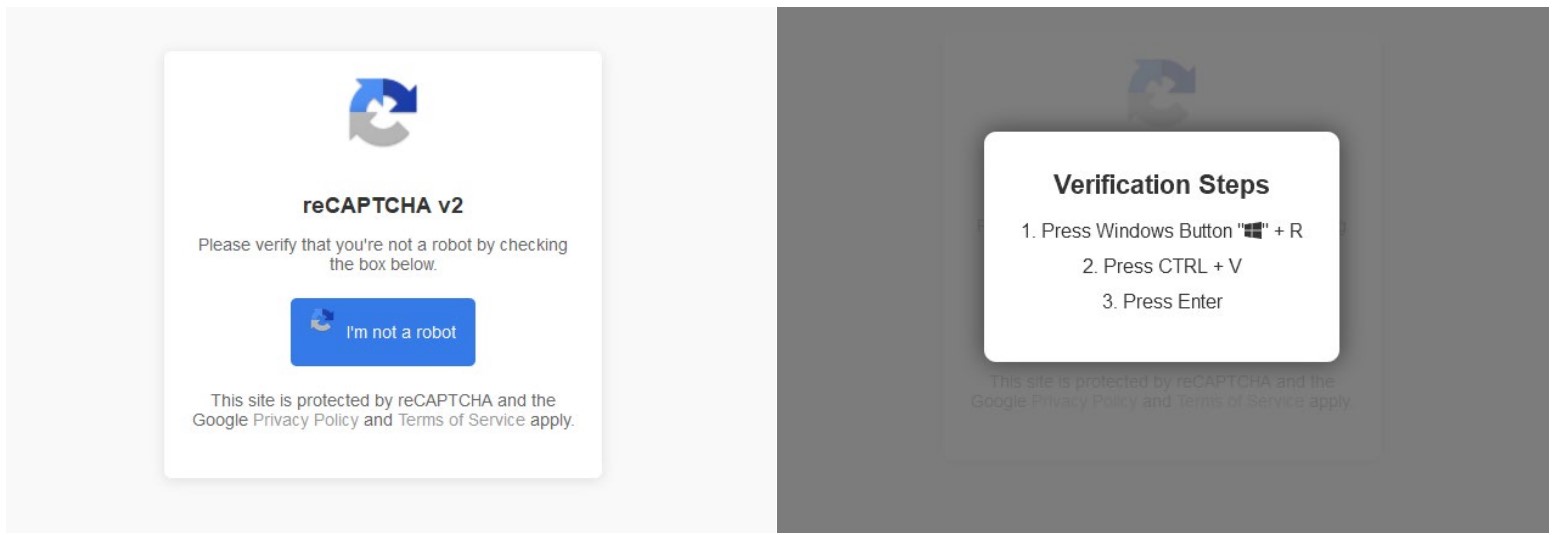
When faced with a fake CAPTCHA, it might look legitimate at first. But be on the lookout for unusual requests like clicking through to verify you’re human, running specific commands, or pasting hidden commands. These could be a ploy to download malware onto your device.
Malware like infostealers are designed to steal sensitive data from your device and sell it on the dark web. They can target everything from your browser to your operating system, posing a serious threat to your online security.
So, how can you protect yourself from CAPTCHA threats? Here are a few tips:
- Stay alert to unusual CAPTCHA requests.
- Be cautious of sudden CAPTCHA challenges.
- Keep your software up to date.
- Install reputable security software.
- Avoid downloading pirated software.
- Consider using an ad blocker.
Dealing with a fake CAPTCHA
If you do fall victim to a fake CAPTCHA and execute hidden commands, don’t panic. Here’s what you can do:
- Run a malware scan to remove any malicious software.
- Disconnect from the internet and back up important files.
- Perform a factory reset on your device.
- Change your passwords and enable multi-factor authentication.
Remember, falling for a CAPTCHA threat isn’t the end of the world. Stay vigilant and act fast if you suspect foul play. Stay safe out there!