
Protecting Your Loved Ones: How Open Communication and Cybersecurity Can Safeguard Against Elder Fraud

30 Oct 2025
•
,
6 min. read

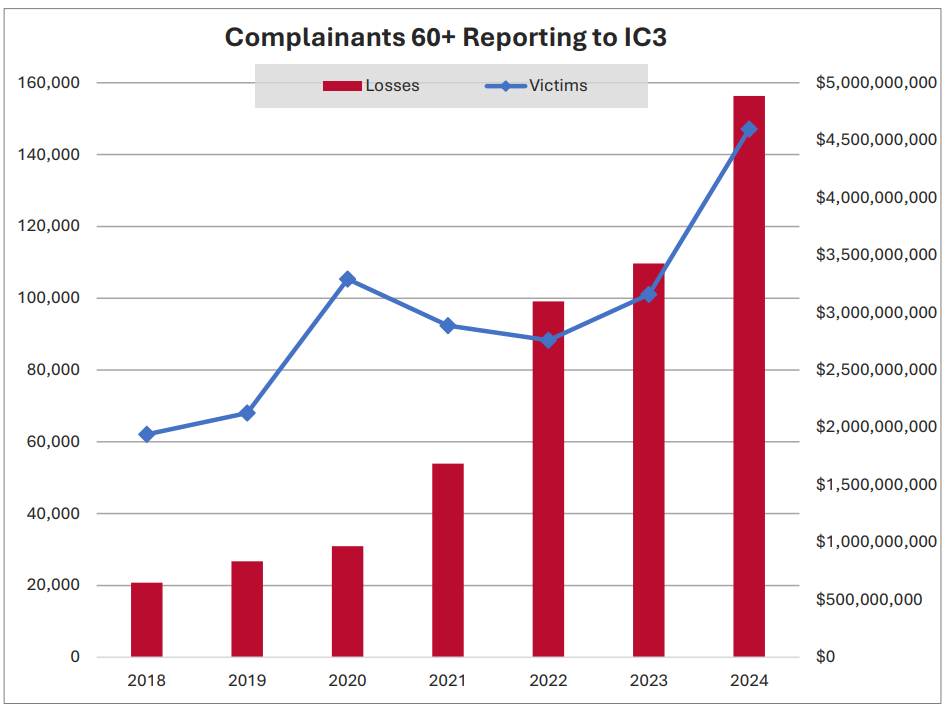
When we discuss the alarming reality of elder fraud, it’s crucial to understand that the financial and emotional toll on victims is significant. In 2024, Americans aged 60+ reported nearly $4.9 billion in losses to online scams, marking a 43% increase from the previous year and a five-fold surge from 2020, according to the FBI’s Internet Crime Center. The average loss from elder fraud stood at $83,000, significantly higher than the $19,000 average across all age groups.
Behind these statistics lie individuals and families whose financial security was shattered as years of savings vanished due to misplaced trust. The scale of fraud targeting the elderly demands attention and action from families united in safeguarding their loved ones.
However, mere warnings are insufficient. Effective protection necessitates a blend of consistent family communication, human and technical controls, and a clear plan for remediation in case of a breach. With October being Cybersecurity Awareness Month, now is the ideal time to evaluate how we can shield our parents’ and grandparents’ savings from scammers.
Understanding the Motives Behind Elder Fraud
Scammers operate with calculated precision, targeting seniors for several reasons that intersect:
- Access to funds: Seniors often possess cash savings, retirement accounts, or other financial resources that fraudsters view as easy targets.
- Trust in authority: Generational tendencies towards trust and authority make some older individuals more susceptible to fraudulent calls or letters impersonating “official” entities.
- Loneliness: Social isolation paves the way for relationship-based scams, such as romance scams, to have a devastating impact.
- Cognitive overload and digital fatigue: Managing multiple online accounts can be challenging for many seniors, making them more vulnerable to “helpful” popups or urgent phone calls.
- Technology gaps: Older devices, outdated software, reused passwords, and difficulty distinguishing between real and fake content make seniors, like many others, easy targets for scammers.
These factors create ideal conditions for attackers. Furthermore, scammers have access to tools like compromised credentials and AI-driven voice cloning, enhancing the credibility of their schemes.
Common Scams Targeting the Elderly
Scammers employ various schemes to exploit older individuals, including:
Phishing scams
Fraudsters pose as representatives from institutions like the IRS or banks, coercing victims to disclose sensitive information on fake websites.
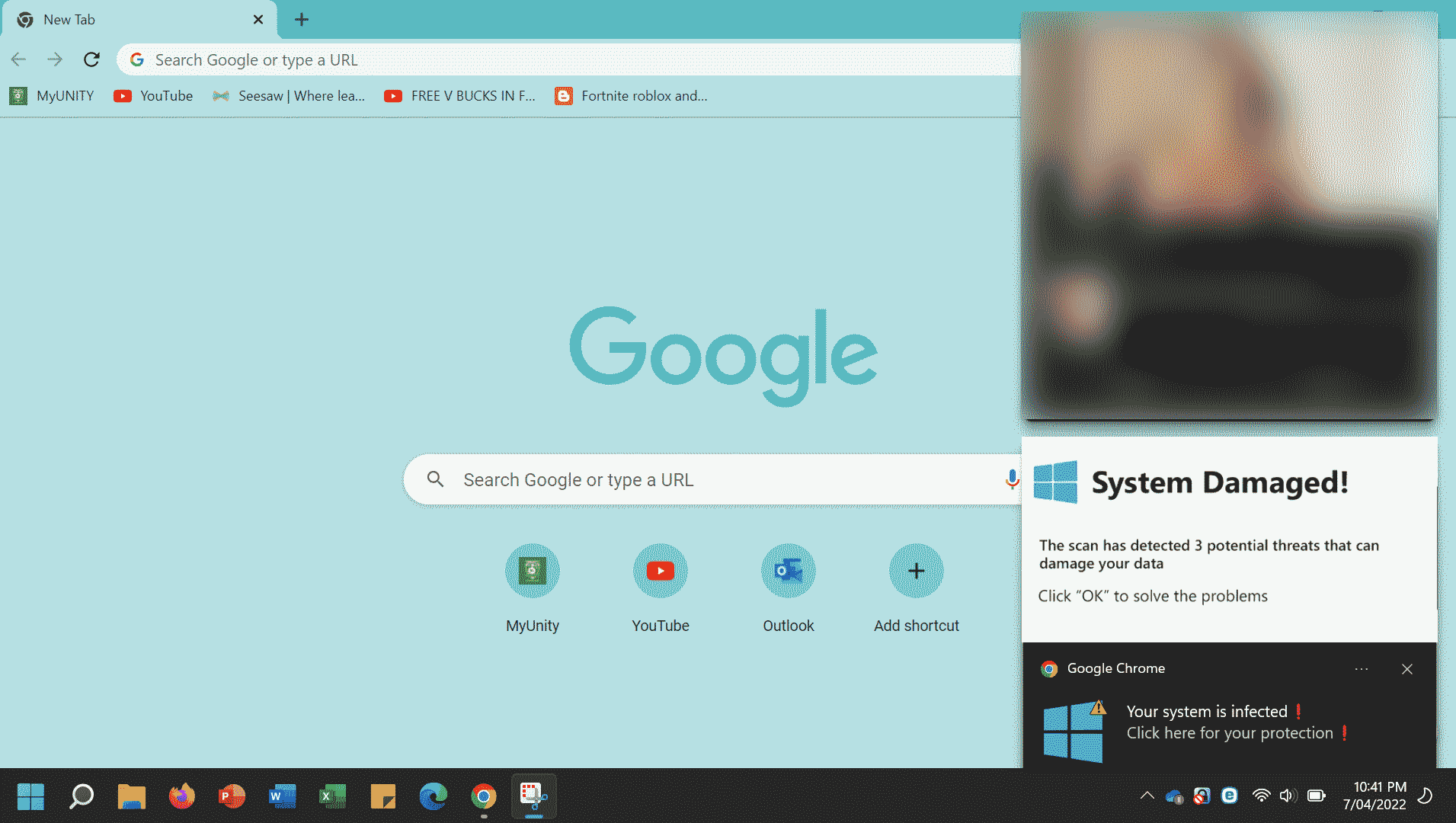
Tech support fraud
Pretending to offer technical assistance, scammers gain remote access to devices to steal sensitive data or install malware.
Romance scams
Building false relationships, scammers deceive victims into sending money for fabricated emergencies.
Grandparent scams
By claiming a loved one is in distress, scammers manipulate emotions to extort money through wire transfers or gift cards.
Investment scams
Fraudsters promote fake investments with fake endorsements, exploiting victims’ trust.
As scams evolve, utilizing deepfakes and other advanced techniques, it becomes increasingly challenging to discern reality from deception.
Initiating Dialogue and Taking Action
Scams thrive on urgency, authority, and scarcity, preying on lapses in judgment and emotional manipulation. Combating these threats requires both behavioral and technological measures.
Open, non-judgmental communication is key. By explaining how scammers manipulate emotions and sharing cautionary tales, families can establish proactive measures, such as double-checking financial requests before acting.
Encourage the use of special protections offered by banks for older customers and implement security measures like password managers, two-factor authentication, and security software to fortify defenses against cyber threats.
In the unfortunate event of falling victim to a scam, swift action is crucial. Freeze transfers, document details, report the incident to relevant authorities, and provide emotional support to affected individuals.
Ensuring Long-Term Security
Identity monitoring services, regular account audits, and cybersecurity practices should become routine to fortify defenses against evolving scams. By combining communication, education, and technical safeguards, families can significantly reduce the risk of financial exploitation.
Protect your loved ones and empower them to safeguard their financial well-being in the face of growing cyber threats targeting seniors.