

Have you ever considered the long-lasting consequences when corporate data is exposed on a dedicated leak site? It’s a chilling reality that lingers far beyond the news cycle.

12 Feb 2026
•
,
6 min. read

Let’s dive into the ever-changing world of cybercrime, where ransomware takes the spotlight with its devastating impact. While encryption has been a key player in ransomware attacks, the game has evolved. Nowadays, attackers combine encryption with data exfiltration and threats of public data exposure.
This is where data leak sites (DLSs) come into play. These sites serve as the platform for threat actors to weaponize stolen corporate data, turning a security incident into a full-blown public crisis.
Law enforcement agencies and security experts have been closely monitoring this shift in tactics. Ransomware is now often described as a “data theft and extortion” issue, with public projects like Ransomware.live shedding light on the scale of the problem.
Let’s explore how DLSs fit into the ransomware ecosystem and the implications they have for victim organizations.
Understanding the Role of Data Leak Sites
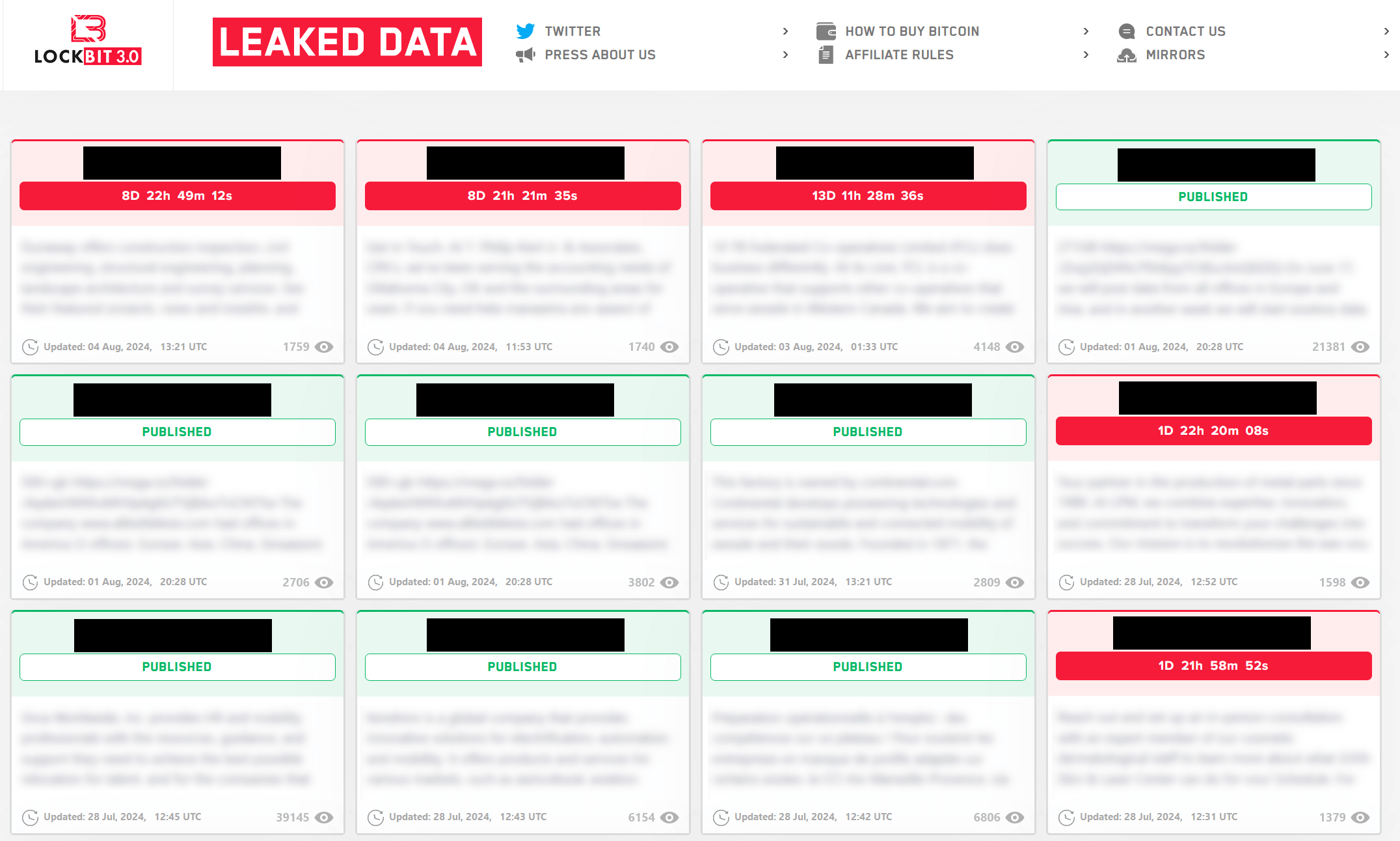
Operating on the dark web via the Tor network, data leak sites typically showcase a sample of stolen data and threaten victims with full disclosure unless a ransom is paid. The element of urgency and public exposure adds to the psychological pressure on victims, making decisions even more challenging.
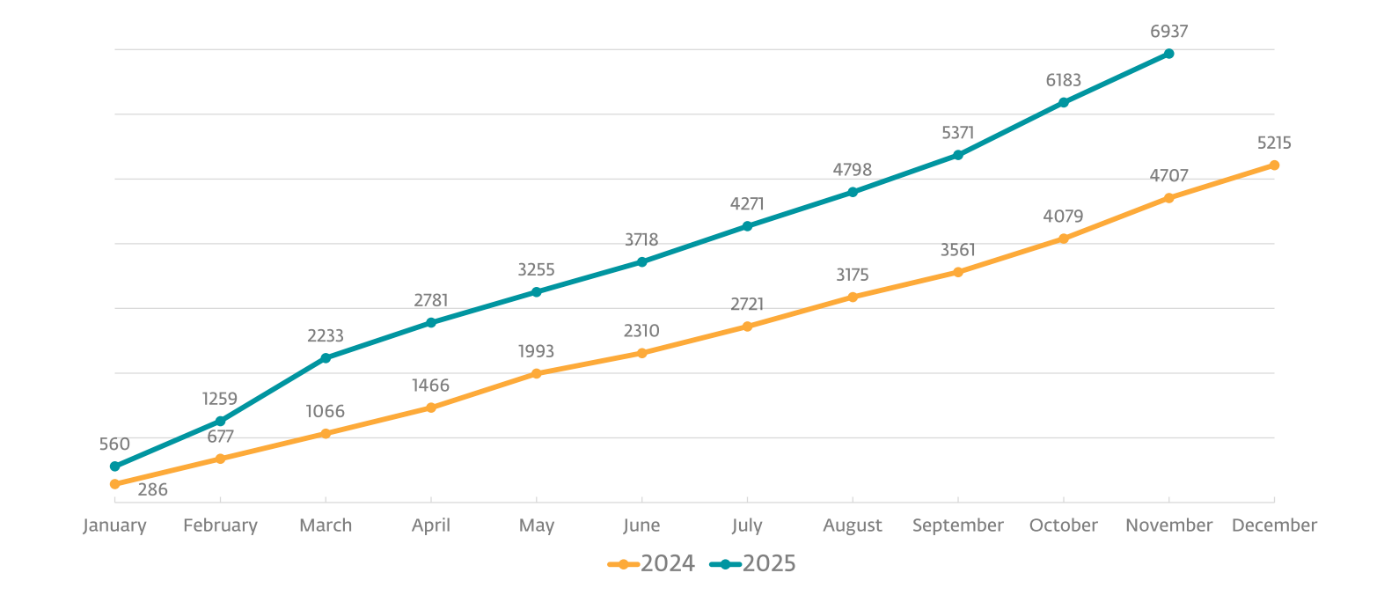
The speed and amplification of these incidents create a cloud of suspicion over victim organizations, even before they fully grasp the extent of the breach. The coercion tactics employed by data leak sites are carefully orchestrated to maximize the psychological impact on victims.
Furthermore, the aftermath of a data leak doesn’t stop at the initial victim. The stolen data often fuels subsequent cybercrimes, such as phishing schemes and identity fraud. The ripple effect of a breach can extend to the victim’s customers and partners, highlighting the systemic risk posed by ransomware.
Creating Pressure through Leak Sites
Every aspect of a leak site is meticulously designed to exert maximum pressure on victims:
- Proof of unauthorized access: Sample documents are posted to validate the breach and the severity of the threat.
- Urgency: Timers and countdowns create a sense of impending doom, pushing victims to make hasty decisions.
- Public exposure: Even the threat of data exposure can lead to irreparable reputational damage for organizations.
- Regulatory risk: Compliance frameworks like GDPR and HIPAA add another layer of complexity, with data breaches triggering investigations and potential fines.
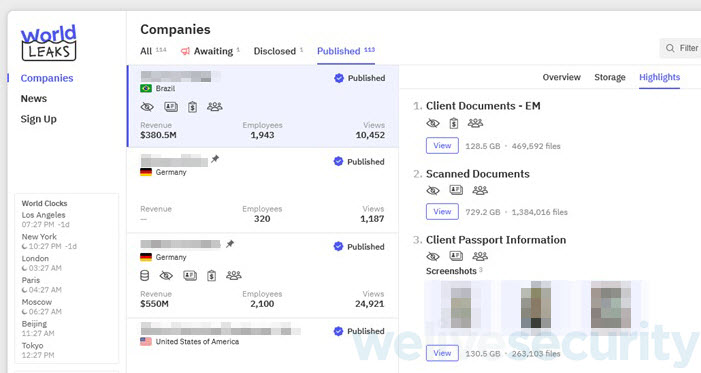
Unveiling the Dark Side of Ransomware
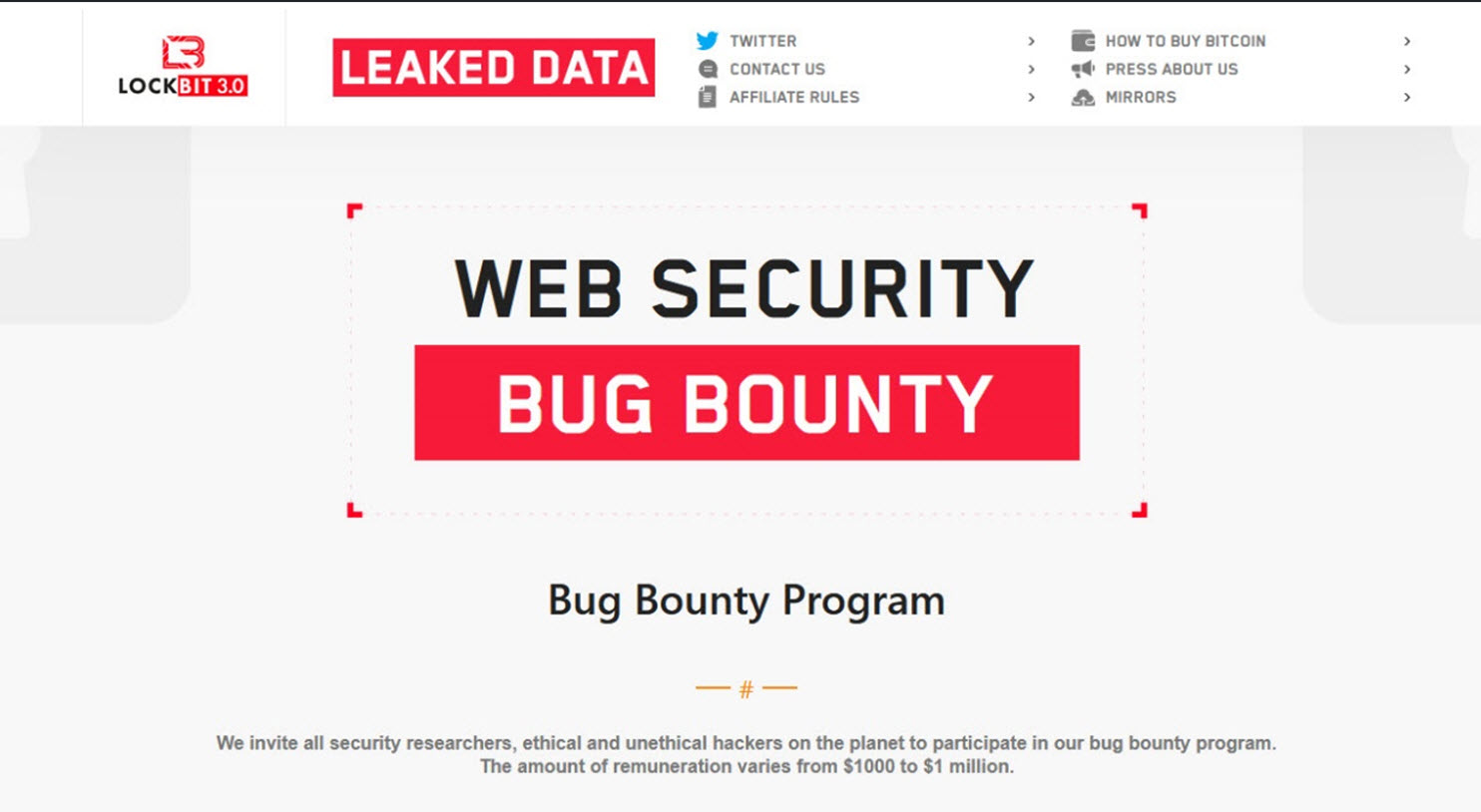
Some ransomware operators have taken leak sites to a new level, offering bug bounties, recruiting insiders, and even running affiliate programs for aspiring cybercriminals. The evolution of ransomware highlights the need for robust defensive measures and proactive security strategies.
Looking Ahead
Ransomware continues to evolve, posing a significant threat to organizations worldwide. As criminals adapt their tactics, it’s crucial for businesses to implement comprehensive security measures to mitigate the risks of ransomware attacks.
From advanced security solutions to employee training, a multi-layered approach is essential to combat the growing menace of ransomware. By staying proactive and vigilant, organizations can safeguard their data and protect themselves from the devastating consequences of cyber extortion.