
Hey there, want to stay informed with the latest insights delivered straight to your inbox? Subscribe to our weekly newsletters tailored for enterprise AI, data, and security leaders.
Reflecting on the CrowdStrike incident that occurred on July 19, 2024, it serves as a stark reminder of the critical importance of cyber resilience. Fast forward one year later, both CrowdStrike and the industry have undergone significant transformations following the 78-minute event that changed everything.
CrowdStrike’s President Mike Sentonas shares in a blog post that the first anniversary of July 19 marked a profound moment that deeply impacted their customers and partners, shaping a defining chapter in the company’s history.
The incident that shook global infrastructure
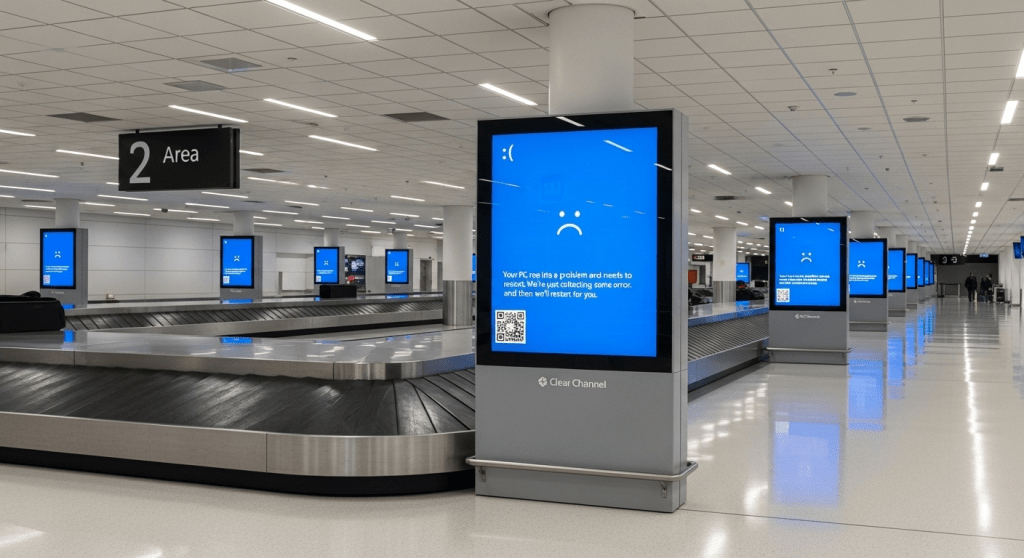
The numbers speak volumes: A faulty Channel File 291 update deployed at 04:09 UTC and rolled back 78 minutes later resulted in the crash of 8.5 million Windows systems worldwide. The financial impact was staggering, with estimated losses of $5.4 billion for the top 500 U.S. companies and 5,078 canceled flights globally in the aviation sector.
Steffen Schreier, Senior Vice President of Product and Portfolio at Telesign, underlines the lasting impact of the incident. He emphasizes that a routine software update, deployed innocently and swiftly rolled back, still had catastrophic global consequences due to an internal failure.
The AI Impact Series Returns to San Francisco – August 5
The next phase of AI is here – are you ready? Join leaders from Block, GSK, and SAP for an exclusive look at how autonomous agents are reshaping enterprise workflows – from real-time decision-making to end-to-end automation.
Secure your spot now – space is limited: https://bit.ly/3GuuPLF
Further technical analysis by Schreier sheds light on the vulnerabilities of modern infrastructure, emphasizing the need for fail-safes and resilience in the face of rapid cloud-native delivery.
Understanding what went wrong
A root cause analysis by CrowdStrike uncovered a series of technical failures, exposing fundamental quality control gaps that led to the incident. Merritt Baer, incoming Chief Security Officer at Enkrypt AI, stresses the importance of basic CI/CD protocols that could have mitigated the impact of the incident.
Baer’s assessment highlights the critical need for sandbox testing and incremental deployment to prevent catastrophic failures like the one experienced by CrowdStrike.
Leadership’s accountability
George Kurtz, Founder and CEO of CrowdStrike, exemplified strong leadership by taking personal responsibility for the incident. In a LinkedIn post, Kurtz emphasized the importance of transparency, resilience, and customer focus in navigating the aftermath of the event.
His reflections underscore the company’s commitment to transforming crisis into opportunity, focusing on building a stronger, more resilient CrowdStrike.
CrowdStrike goes all-in on a new Resilient by Design framework
CrowdStrike’s response to the incident centered around the Resilient by Design framework, introducing comprehensive security platform enhancements across three key pillars: Foundational, Adaptive, and Continuous components.
- Sensor Self-Recovery: Automatic crash loop detection
- New Content Distribution System: Ring-based automated deployment
- Enhanced Customer Control: Granular update management
- Digital Operations Center: Global infrastructure monitoring
- Falcon Super Lab: Extensive testing of OS and hardware combinations
This proactive approach signifies CrowdStrike’s commitment to redefining enterprise security platforms for enhanced control and interaction.
Industry-wide supply chain awakening
The incident prompted a broader evaluation of vendor dependencies and shared responsibility models within the industry. Organizations are now placing greater emphasis on vendor security posture and risk assessment to mitigate potential supply chain vulnerabilities.
Sam Curry, CISO at Zscaler, emphasizes the collective industry focus on resilience and security enhancements following the CrowdStrike incident.
Underscores the need for a new security paradigm
The incident highlighted the importance of building resilient security architectures that can withstand systemic failures. Schreier emphasizes the critical role of fail-safes and layered defenses in preventing and mitigating potential security breaches.
As organizations navigate the evolving threat landscape, the focus shifts towards ensuring that internal systems remain secure and resilient against external threats.
Looking forward: AI and future challenges
The evolution of security practices, driven by AI and cloud technologies, presents new opportunities and challenges for the industry. Baer envisions a future where autonomy and AI play a significant role in enhancing security measures and risk mitigation strategies.
CrowdStrike’s forward-looking initiatives, such as hiring a Chief Resilience Officer and collaborating with industry leaders, demonstrate a proactive approach to addressing future security challenges.
A stronger ecosystem
Reflecting on the incident, CrowdStrike acknowledges the ongoing work to strengthen their company and industry partnerships. The incident’s legacy underscores the need for continuous commitment to resilience and proactive security measures.
As organizations adapt and evolve in response to cybersecurity challenges, the focus remains on building a stronger, more secure ecosystem that prioritizes resilience and transparency.
Remember, resilience isn’t a destination—it’s a journey of continuous improvement and evolution. The CrowdStrike incident of July 19, 2024, serves as a catalyst for industry-wide transformation towards a more resilient security landscape.
Through lessons learned and proactive measures, organizations can better protect against potential threats and ensure the integrity of their security infrastructure.