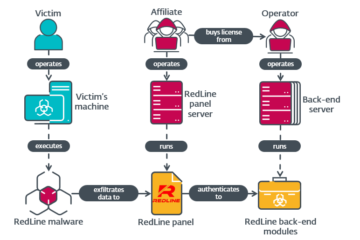

Have you ever wondered how open-source intelligence can help you trace your digital footprint, uncover your vulnerabilities, and connect the dots with essential tools? Let’s dive in!

20 Nov 2025
•
,
5 min. read

Have you ever thought about the vast amount of time we spend online, navigating through a sea of information, communication, and resources? Sometimes, it’s not about finding data but rather discerning what’s relevant, trustworthy, and worth your attention. To effectively navigate this digital landscape, one needs to be methodical, deliberate, and equipped with the right tools to expedite the process.
Enter OSINT – short for “Open Source Intelligence.” Whether you’re a journalist, business professional, researcher, or cybersecurity enthusiast, OSINT can be a powerful tool in your arsenal. By harnessing publicly available data, OSINT allows you to extract actionable insights, verify information, and make informed decisions.
Unveiling OSINT in Cybersecurity
What originated as a military and law enforcement practice has evolved into a crucial discipline in cybersecurity. By leveraging OSINT, security experts can assess risks, identify vulnerabilities, and stay ahead of potential threats. From pentesters conducting reconnaissance to threat intelligence teams monitoring malicious activities, OSINT plays a vital role in fortifying digital defenses.
But remember, the same information accessible to defenders is also within reach of adversaries. Every piece of public data about an organization can be exploited by malicious actors for nefarious purposes. This underscores the importance of proactive cybersecurity measures and continuous vigilance.
Essential Tools and Techniques
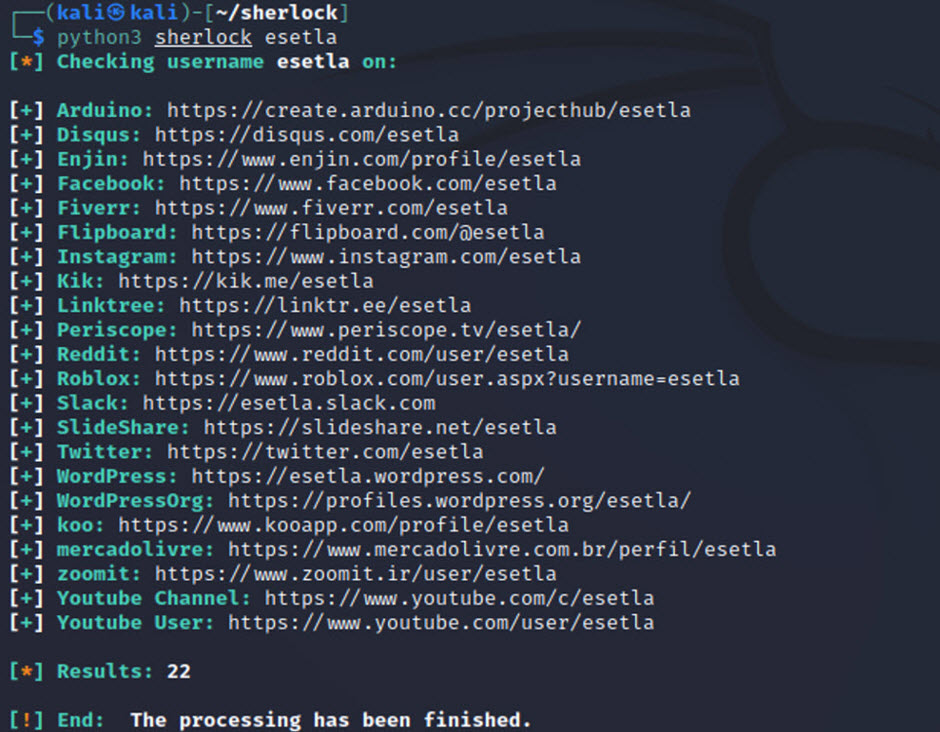
OSINT practitioners rely on a diverse array of tools to automate data collection and analysis. From search engines like Shodan and Censys to visual mapping tools like Maltego, the OSINT toolkit is vast and versatile. By utilizing tools such as TheHarvester, Recon-ng, and SpiderFoot, analysts can gather valuable insights during the reconnaissance phase of penetration testing.
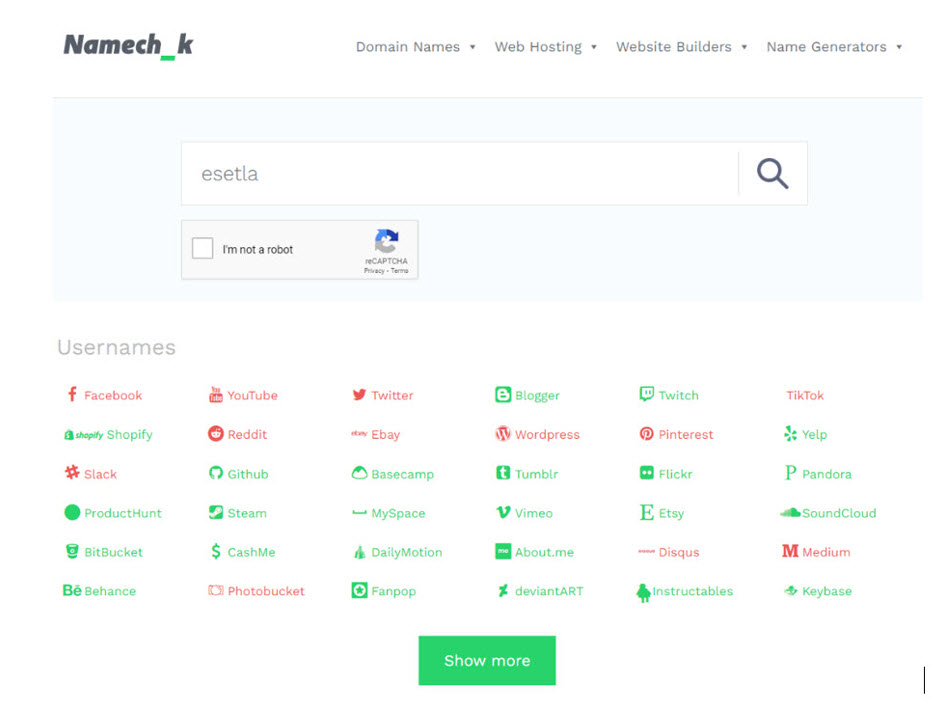
Additionally, platforms like OSINT Framework and OSINTCombine categorize free resources, making it easier for analysts to navigate the vast landscape of open-source data. Advanced search techniques, social media analysis tools, and metadata extraction utilities further enhance the OSINT experience.
Embarking on Your OSINT Journey
If you’re new to OSINT, follow the conventional intelligence cycle:
- Define your investigative goals.
- Identify relevant data sources.
- Collect, analyze, and document findings.
- Assess the reliability of information.
Recommended Starter Tools
For beginners, here are a few user-friendly tools to kickstart your OSINT exploration:
- Explore the OSINT Framework for categorized resources.
- Experiment with TheHarvester, SpiderFoot, and Recon-ng for automated data gathering.
- Master basic Google Dorking and Shodan operations.
- Try Maltego for visualizing relationships and datasets.
Delving into a Mock Case Study
Imagine a scenario where a company suspects a data breach. An OSINT analyst might:
- Check breach databases like Have I Been Pwned.
- Utilize Google Dorks to search for exposed documents.
- Scan for vulnerable servers using Shodan or Censys.
- Employ tools like Maltego to map employee social profiles and identify data exposure.
- Ultimately mitigate risks and prevent potential breaches.
Parting Wisdom
As we approach 2026, the significance of open-source intelligence continues to grow. Whether you’re in cybersecurity, journalism, or research, OSINT offers invaluable insights. By leveraging the abundance of data available online and harnessing the power of automation, anyone can extract meaningful intelligence from open sources. Remember, responsible investigation practices, adherence to privacy laws, and ethical considerations are paramount in the realm of OSINT.