

AI is transforming cybercrime, yet SMB cyber preparedness still hinges on addressing common vulnerabilities

03 Jul 2026
•
,
5 min. read

AI is revolutionizing the tactics of cyber attackers. It enables criminals to craft more convincing lures, amplify social engineering efforts, and hasten reconnaissance, all while reducing the skill level required for less experienced attackers. Organizations need to be vigilant, especially as the malicious use of AI heightens the urgency of shoring up traditional cybersecurity gaps.
Despite the evolving landscape, the primary points of failure in cybersecurity remain all too familiar. These often involve scenarios like employees falling for phishing scams or failing to patch known vulnerabilities in time. While AI-powered malware remains relatively rare, these conventional risks continue to be critical for businesses aiming to enhance their cyber readiness.
Thankfully, the predominant threats that businesses face have established solutions that can help safeguard your organization.
AI in Context
Concerns about “AI-powered malware” top the list of worries for global SMBs in the upcoming year, according to the ESET SMB Cyber Readiness Index 2026. However, true instances of malware utilizing AI in real-time automated ways are more theoretical than practical concerns for cybersecurity practitioners.
While ESET uncovered an AI-generated ransomware example in 2025, it likely served as a proof-of-concept rather than a widespread threat. The same can be said for PromptSpy, the first Android malware leveraging generative AI for persistence, discovered earlier this year. Few threat researchers have encountered similar AI-driven threats in real-world scenarios. While threat actors do leverage AI, its real-time automated usage remains limited.
Identifying Real Cyberthreats
Instead of fixating on AI-enabled threats, SMB leaders should focus on addressing the root causes of incidents. For many SMBs, the initial vulnerabilities are often traditional: successful phishing attempts, unpatched software flaws, unnoticed alerts, or weak password practices. While not the most glamorous risks, these perennial threats remain crucial for organizations striving to enhance their security readiness.
According to ESET data, the primary threats faced by smaller businesses include:
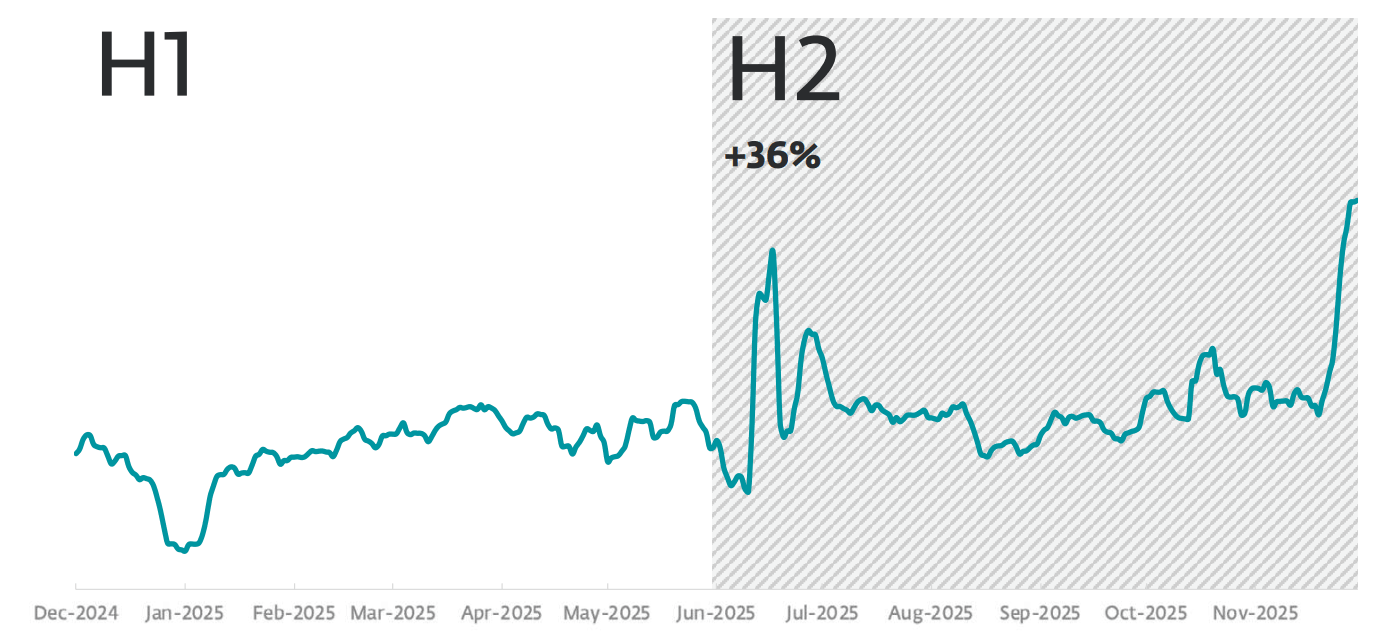
- Phishing (26%): Phishing emerged as the top detected threat in the latter half of 2025, with escalating volumes. Social engineering tactics like smishing and vishing are gaining traction, necessitating a blend of technology, training, and awareness to thwart.
- Unpatched security vulnerabilities (23%): The challenge of patching diverse software poses a significant hurdle for many organizations. The constant influx of vulnerabilities and limited expertise for timely updates compound the issue.
- Lack of security monitoring (22%): Effective monitoring is critical for swift threat detection and response, yet many businesses struggle with consolidating and interpreting alerts effectively.
- Weak passwords (20%): Inadequate password practices persist, with many organizations still reliant on static passwords. Establishing and enforcing robust password policies is crucial to mitigate risks.
Solid Solutions for Persistent Threats
While AI can exacerbate existing risks, the technology is not creating entirely novel threats. Attackers use AI to enhance phishing messages, expedite vulnerability exploitation, analyze password patterns, and streamline target reconnaissance. This acceleration underscores the importance of addressing fundamental cybersecurity measures.
Effective security posture enhancements include proactive vulnerability management, robust identity security measures such as MFA, and outsourcing detection and response to a trusted third party. Leveraging Managed Detection and Response (MDR) services can streamline security operations and alleviate integration challenges faced by many SMBs.
Striving for Readiness and Resilience
No organization, regardless of size, is immune to cyber threats. A proactive cybersecurity approach is imperative to prevent, detect, and respond to evolving threats, marking a pivotal step towards business resilience.
By acknowledging the real threats confronting your organization—rather than sensationalized narratives—you can fortify your defenses and bolster your cybersecurity readiness.