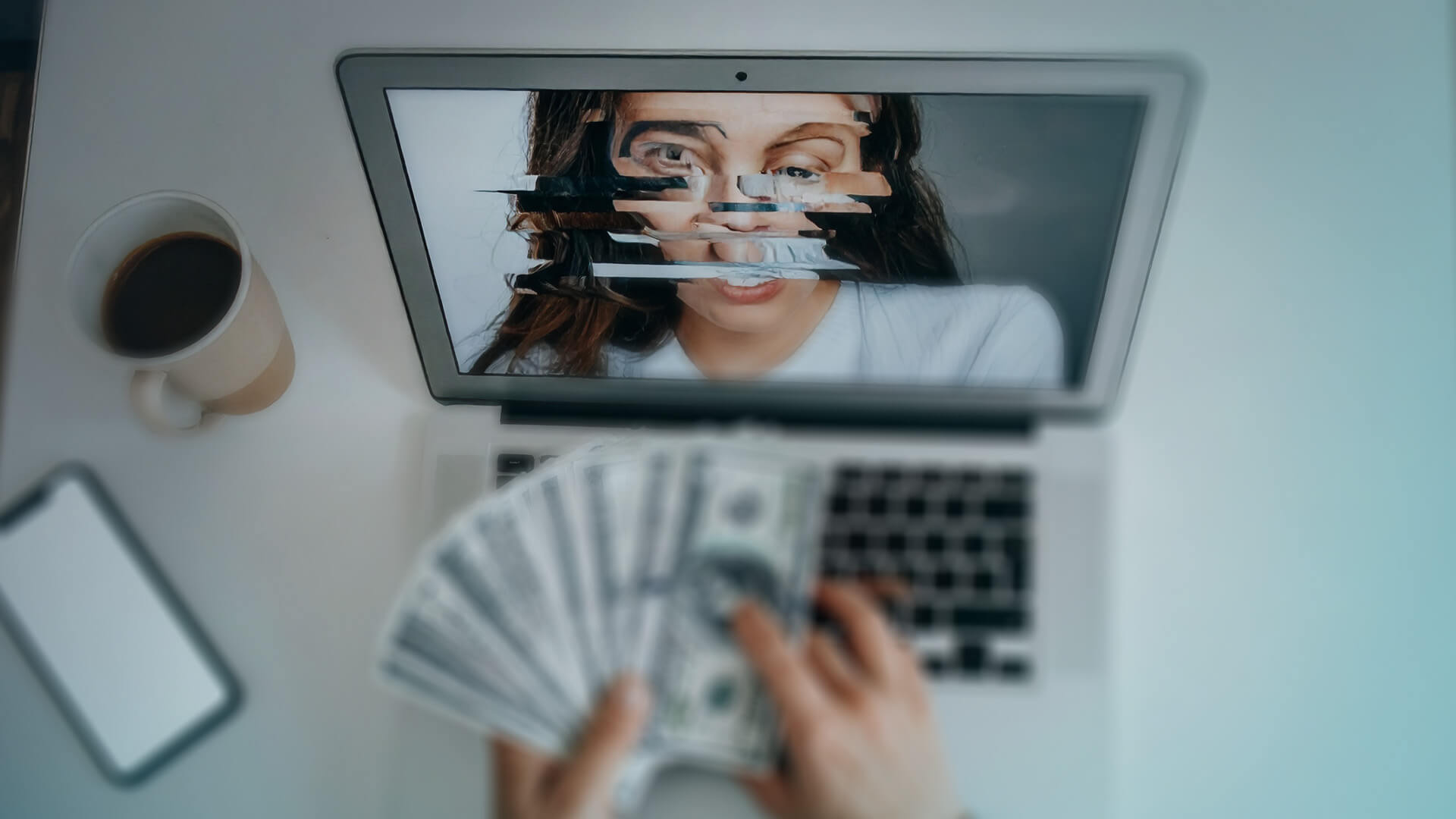
Hey there! Ever wondered if you can spot the difference between legit marketing and sneaky deepfake scam ads? It’s trickier than you might think.

18 Aug 2025
•
,
4 min. read
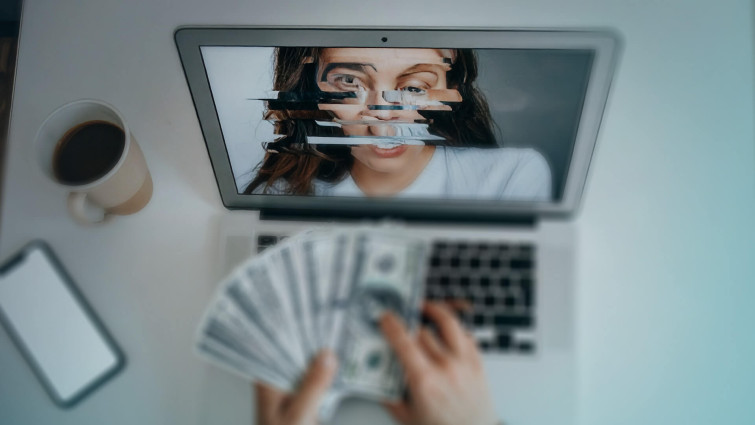
Hey there, feeling the pinch of economic uncertainty and rising inflation? Scammers are taking advantage of our need to stretch our money further, using sophisticated schemes on social media.
Can you tell the real from the fake when it comes to investment ads? It’s becoming increasingly challenging. Cybercriminals have upped their game, using tactics like AI-generated deepfake videos to make their scams seem more believable.
Keep reading to uncover their tactics and learn how to protect your hard-earned cash.
How do financial deepfake scams operate?
Investment scams have been a goldmine for cybercriminals, raking in nearly $6.6 billion, as reported by the FBI. Many of these scams kick off with misleading ads on social media, enticing victims to reveal personal information or fall prey to investment fraud.
An eye-opening example from June 2025 involved Instagram ads masquerading as reputable banks. Some offered high-interest accounts to lure victims into sharing their banking credentials. Others used deepfake Instagram stories featuring finance experts to gather personal data or steer them towards investment scam-themed WhatsApp groups.
Another case is the Nomani Trojan campaign discovered by ESET in 2024. These ads and phishing sites mimic local news outlets or organizations. They may also feature generic financial visuals with ever-changing names like “Quantum Bumex” or “Bitcoin Trader.”
Here’s a glimpse into the Nomani campaign and similar schemes:
- Localized content tailored to specific regions
- Distribution through fake ads on various platforms like Facebook, Instagram, and YouTube
- Deepfake video testimonials potentially featuring celebrities
- Use of fake or hacked accounts to run ads
- Repetitive keywords and low-quality videos
Scammers aim to extract personal data from victims, leading them to fall for investment scams, take out loans, or install malicious software on their devices. ESET saw a 335% surge in Nomani threats in the latter half of 2024, blocking over 8,500 related domains.
Why are we susceptible to these scams?
Despite the red flags, falling for these scams is all too common. Here’s why:
- Financial pressures make us vulnerable to quick wins
- Shortened attention spans, particularly on mobile devices
- Lack of awareness about scam tactics like deepfake videos
- Localized threats using legitimate accounts and high search rankings
- Traditional anti-fraud measures may not suffice against social engineering tactics
Tips to safeguard yourself
Don’t become a victim of investment scams. Watch out for these signs:
- Over-the-top ads promising unrealistic returns
- Celebrity endorsements that may not be genuine
- Suspicious videos with visual glitches or unnatural voices
- Pressure to make quick investment decisions
- Guaranteed returns without risks
Protect your personal info and finances with these steps:
- Spot and avoid warning signs in ads
- Avoid clicking on finance ads, even if they seem legit
- Check online reviews of investment schemes
- Understand any financial product before investing
- Ignore unsolicited investment offers
- Avoid sharing personal info after clicking on online ads
- Consider using trusted security software on all devices
If you suspect you’ve been scammed, contact your bank, monitor your accounts, and report the incident to authorities. Stay vigilant!