
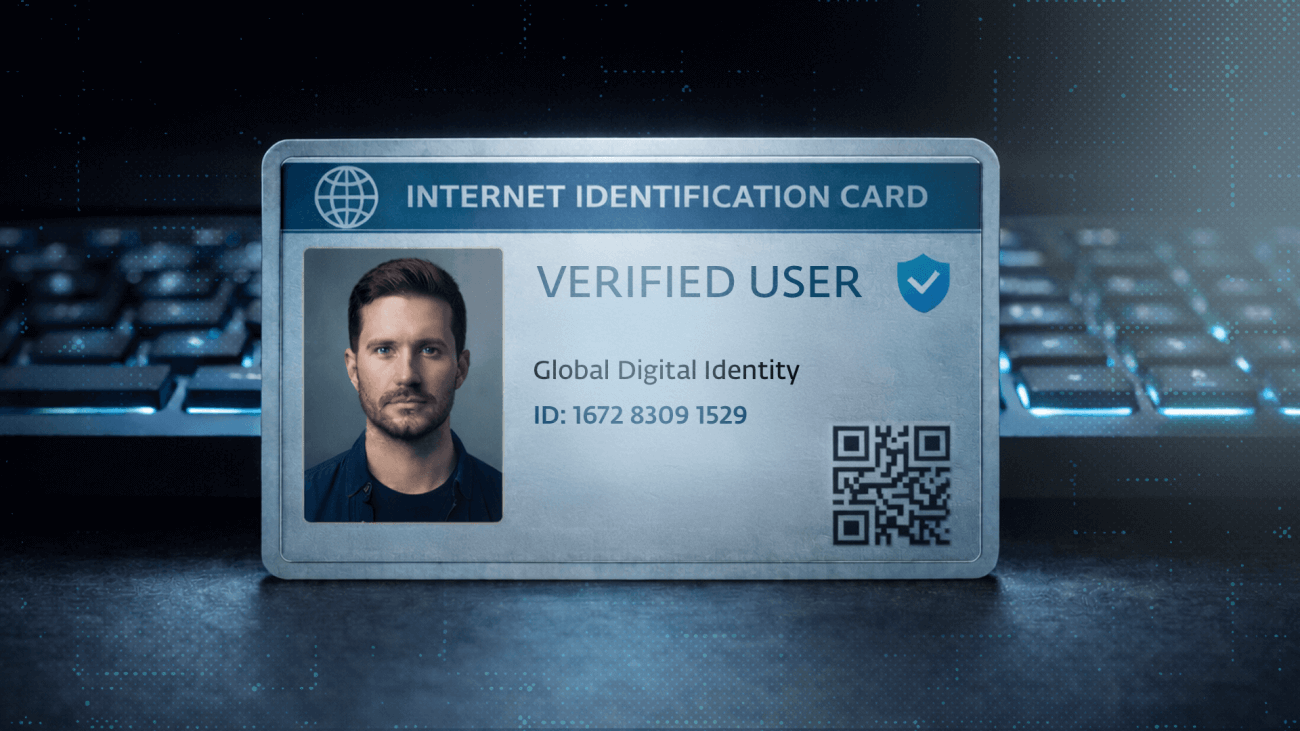
Hey there! Let’s talk about the hot topic of verified identities becoming the standard online. Did you know that Australia recently banned social media for under-16s? It’s causing quite a stir and raises important questions about online safety.

14 Jan 2026
•
,
5 min. read
So, Australia’s new law prohibits those under 16 from having social media accounts. But here’s the catch – there are no consequences for those who try to cheat the system. This raises a bigger question: should online identity verification be the norm in 2026?
Why the status quo isn’t cutting it
Australia’s move is all about protecting young users from online dangers. But will banning social media really solve the underlying issues? Maybe it’s time to rethink how we approach online safety for all ages. After all, simply banning something often makes it more enticing.
With age-verification laws popping up globally, the debate around online safety is heating up. But are current technologies enough to keep us secure without compromising privacy?
And let’s not forget the myriad of cyber threats out there – from phishing scams to financial fraud. Is our current online landscape equipped to handle these risks?
Time for a change?
Imagine a world where your online interactions are with verified users only. Wouldn’t that make your internet experience safer and more pleasant? The idea of verified identities might just be the key to a more secure cyber environment.
By distinguishing between verified and unverified users, we could potentially filter out a large chunk of online abuse and fraud. It’s a small change that could make a big difference.
Verifying without compromising privacy
Identity verification doesn’t mean sacrificing anonymity. Take dating platforms, for example. They can verify users’ identities while still allowing them to maintain their chosen online personas. This way, accountability is ensured without compromising privacy.
Transitioning to a world of verified online identities would be a major shift. Some may argue it limits freedom of speech, while companies reliant on user numbers might need to reassess their strategies. But the goal isn’t to stifle speech – it’s to empower users to filter out the noise and abuse.
It’s clear that current age-based content restrictions aren’t cutting it. And for those barred from social media, the risks of driving them underground or towards circumventing the rules are very real.